
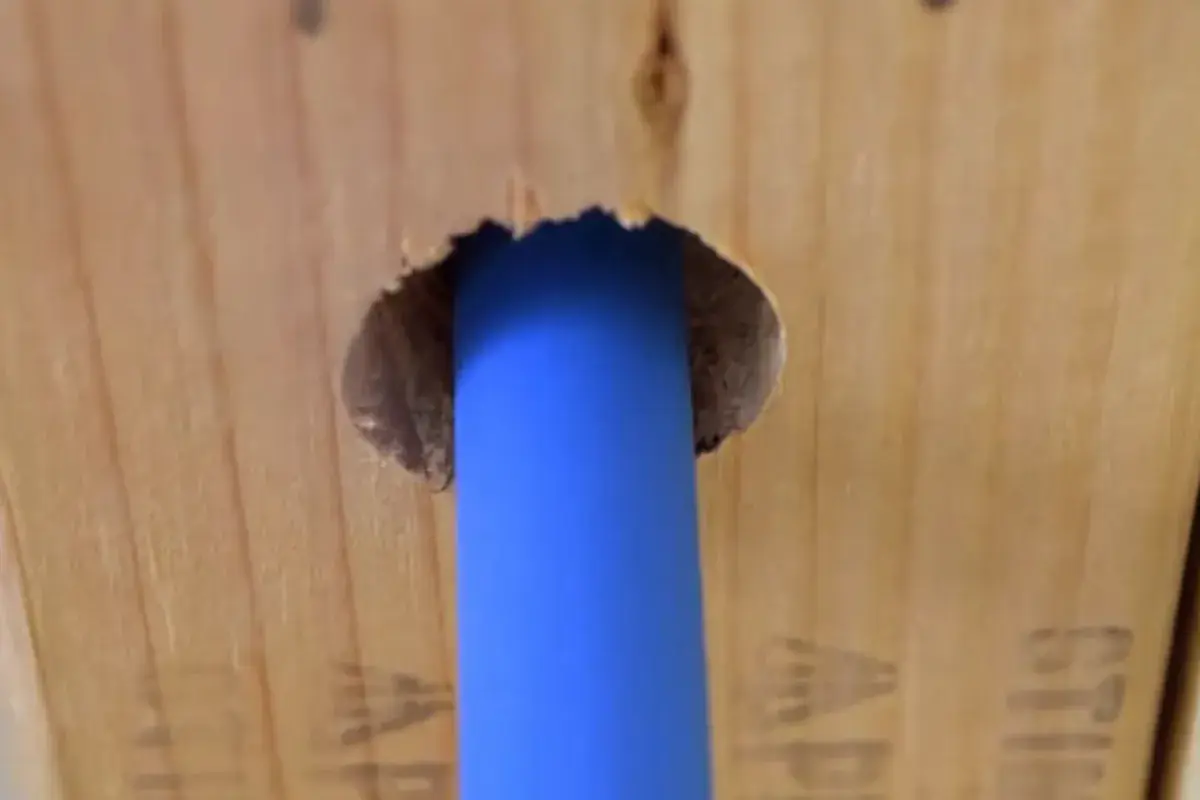
Repiping in Sapulpa, OK means replacing the water supply pipes inside a house, the ones that feed sinks, showers, toilets, the water heater and appliances. It is different from sewer or drain work, which carries waste out. Homeowners usually consider it after repeated leaks, discolored water or pressure that never recovers. A licensed plumber will inspect the existing pipe, explain what it is made of and give you a clear price before any wall is opened.
Answered first
Quick answers before the details
A single leak with sound pipe around it is a repair. Repeated leaks, widespread pressure loss, rusty water and pipe that is visibly corroded point toward replacement. A plumber's inspection separates the two.
It is not a sudden danger, but it corrodes from the inside, which reduces pressure and causes leaks and discolored water. If you are concerned about lead from old plumbing, ask your water utility about its service line inventory.
Look for gray, blue or black flexible plastic with "PB" printed on it, often near the water heater, main shutoff or under sinks. If you find it, tell your plumber and insurer.
Signs your supply pipes are near the end
One leak does not mean the whole house needs new pipe. A pattern does. These are the signals that tend to push people toward a repipe.
- Repeated pinhole leaks, especially in more than one room
- Brown, orange or rusty water that returns after running the tap
- Low pressure at several fixtures even though the main valve is fully open
- Greenish stains or crusty buildup on copper joints
- Pipe that looks flaky, bulging or rough where it is visible
- Hot water that takes a long time to arrive because the line is narrowing
Rust-colored water that clears after a minute can come from the water main or a disturbance. Water that stays discolored and comes with pressure loss is more likely to be old pipe. Our leak detection page helps if you are still trying to find where water is escaping.
What a repipe plan starts with
The first visit is an assessment. A plumber checks the pipe at the water heater, under sinks, in the crawlspace, attic or basement, and anywhere else it shows. Pressure is measured at a hose bib, and flow at the farthest fixture is compared against the nearest.
Visible pipe tells part of the story. Where walls hide the rest, the plumber may use moisture meters, thermal imaging or a camera through small openings. The goal is to find out how many different materials the house has. Many older houses have been patched over the years and mix galvanized, copper and plastic in the same system.
From there the plumber proposes either a partial or a whole-house repipe. A partial job swaps a failing section, such as the run to a bathroom. A whole-house job replaces everything from the main to the fixtures.
Want your pipes looked at?
A dispatcher is on the line 24/7. Nobody here will pressure you into a repair, and the price is agreed before work starts.
Galvanized steel pipe
Galvanized pipe is steel with a zinc coating. It was common in older homes. Over time the zinc wears off and the steel rusts from the inside, building scale that narrows the bore.
That is why homes with galvanized pipe so often have weak pressure. The pipe is smaller inside than it was when installed, even though it still looks the same outside. Rust flakes also cause brown water, and corrosion at threaded joints leads to leaks.
Sapulpa is a historic town with homes dating to the early 1900s oil and glass era, so older homes may have older pipe. We cannot say how common galvanized is locally. A look in the crawlspace or at the water heater connections will show what you have. A magnet sticks to galvanized steel but not to copper or plastic, and a scratch test shows gray metal beneath the surface.
Polybutylene, copper and other materials to recognize
Polybutylene is a gray, blue or black plastic pipe used in homes mostly from the late 1970s into the 1990s. It was widely used and later had a reputation for failing at fittings. Many insurers ask about it, so knowing what you have matters. If you see plastic pipe with "PB" markings, mention it to your agent and your plumber.
Copper is the common replacement and the common older material. It can last a long time in many homes, but it can develop pinholes in some water and soil conditions. CPVC is rigid plastic that can turn brittle with age and heat.
If you find a mix, do not assume the oldest piece is the problem. Ask the plumber to show which section is leaking and why.
Copper or PEX: how they compare
Both are accepted materials for house supply lines in many places. The choice depends on your house, your water and what you value.
| Factor | Copper | PEX |
|---|---|---|
| Installation | Rigid, soldered or press-fit joints, more labor | Flexible, long runs with fewer joints, faster in walls |
| Freeze behavior | Splits when ice forms | Expands slightly, often survives a freeze |
| Corrosion | Can pit or pinhole in aggressive water | Does not corrode |
| Sunlight | Not affected | Must be shielded from UV |
| Heat and fire | Fireproof | Not for use near hot flues or open flame |
| Noise | Can ring or knock | Quieter |
| Appearance | Metallic, visible in exposed areas | Colored plastic, visible in exposed areas |
Neither material is automatically better. Copper suits exposed runs and homeowners who want a metal system. PEX suits runs through finished walls. Ask the plumber what the existing pipe was and which materials suit your house.
For the broader picture of burst risk during a freeze, see our burst pipe repair page.
How a repipe is staged
A repipe is more organized than most people expect. A plan avoids leaving you without water longer than necessary.
- 1Walkthrough and planThe plumber maps fixtures, decides routes through walls, attic or crawlspace and picks the material.
- 2Permit and schedulingPermit paperwork goes through the city if the job requires it, and a start date is set.
- 3Protect the houseFloors and furniture are covered, and access points are marked.
- 4Open accessSmall openings are cut in drywall, usually near fixtures and along routes where pipe must pass.
- 5Run new linesNew supply lines are installed to each fixture while the old system stays in service when possible.
- 6Connect and testThe new system is tied in at the main, pressure tested and checked for leaks.
- 7Remove or abandon old pipeOld lines are capped, removed where practical or left in place per the plan.
- 8PatchWall openings are patched. Painting is usually a separate step.
Ask how long you will be without water, how patching is handled and who paints. These details vary by house, and a good quote answers them.
Wall access, patching and living at home during the work
Opening drywall is the part homeowners dread. The plumber minimizes it by routing through attics, crawlspaces and closets where possible. Small access panels near tub valves and under sinks do much of the work. Ceilings and some walls will need holes.
Patching generally includes drywall repair to a paintable surface. Matching texture and paint is a finishing trade, and it is worth asking whether your quote includes it or only the patch.
Most homes can stay occupied during a repipe, though water may be off for part of each day. Plan around showers, laundry and cooking, and ask for a schedule.
What decides the price of repiping
We do not publish dollar figures because a repipe depends on the house. The plumber who inspects it gives a clear price before work starts. These are the factors.
More fixtures and longer runs mean more pipe and labor. A single story with a crawlspace is simpler than a two-story with plumbing in interior walls.
Copper and PEX differ in material cost, labor time and fittings. The quote should say which you chose and what grade or brand of pipe and fittings.
Open attics and crawlspaces reduce cutting. Finished walls, tile and cabinetry raise it. Patching, texture and paint may be in or out of the quote.
Plumbing permits in Sapulpa are separate from building permits and are requested through the Building Inspections office by state-licensed, city-registered contractors. Work done without required permits can be fined at least double the permit and inspection fees, so confirm who is pulling the permit.
Old shutoff valves, supply stops and water heater connections are often replaced during a repipe. Whether they are included changes the quote.
What insurance may and may not cover
Homeowner's policies generally cover sudden damage from a burst pipe but do not pay to replace pipe because it is old, worn or at risk. Some insurers raise questions about polybutylene or galvanized pipe at renewal. Check your policy and ask your agent what is required.
If you are replacing pipe after a loss, keep photos of the damage, the plumber's report and all invoices. Renters should talk to the landlord before arranging work.
Ways to compare your options
- Partial repipe: replaces the worst run, lower scope, leaves the rest as is
- Whole-house repipe: replaces everything, most disruption, fewest future surprises
- Repair only: patches leaks, keeps pipe, may be right if failures are isolated
- Wait and monitor: acceptable if pipe is sound and leaks are one-offs
Choosing a plumber and verifying a license
Ask for a written scope that names the material, the fixtures covered, who handles permits and who patches walls. Verify any plumber's license with the Oklahoma Construction Industries Board before work begins. Within city limits, most plumbing work is done by a contractor licensed by the state and registered with the city, with minor repairs the main exception.
Ask the plumber we dispatch the same questions you would ask anyone, and expect clear answers before work starts.
Repiping for Sapulpa and nearby homes
We dispatch from 215 E Dewey Ave and serve Sapulpa, Kellyville, Mounds and Glenpool. The city says Sapulpa's drinking water comes from Sahoma Lake and Skiatook Lake, and a water report from the city is a good starting point if you are curious about water chemistry and pipe.
For smaller jobs such as a single fixture, see plumbing installation. If water quality is the main concern, water softener and filtration options may help.
What to do first if a pipe fails before the repipe
- Close the main water shutoff and open a low faucet to drain the lines.
- Do not use heat or flame on old pipe to stop a leak, because old pipe and the materials around it can be damaged.
- Take photos of any pinhole, green or white crusting and stains, since they show the plumber where the failures are.
- Turn off the water heater if the home will be without water for more than a short time.
- Call and describe how many leaks you have found, because repeated leaks in several rooms point to a repipe conversation.
Sources and standards
A repipe is done to the UPC or IPC as adopted locally with pressure testing at the end, and the pipe material is chosen from those the local code accepts, such as copper or PEX where allowed. For which code edition the city enforces, the building inspections office is the source, and the state board is the source for licenses.
Repiping questions
Usually for part of each day, not the whole job. Ask the plumber for a schedule that covers cooking, showers and laundry.
Plumbing permits are separate from building permits and are requested through the city's Building Inspections office by state-licensed, city-registered contractors. Ask the plumber quoting the work to confirm the permit and inspection plan.
Yes. Both are accepted for house supply lines in many places. Ask the plumber which suits your house, and confirm the choice in writing.