
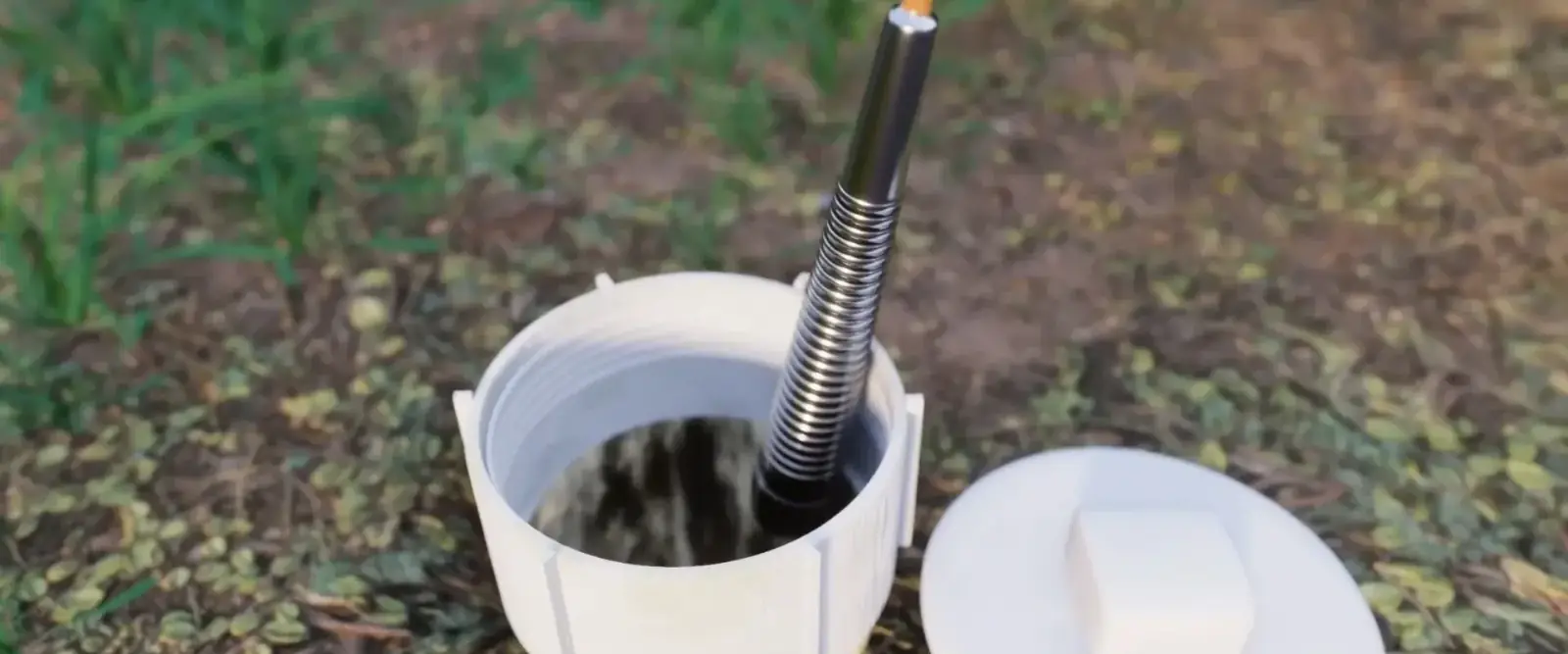
A sewer camera inspection in Sapulpa, OK lets a plumber see inside the line that carries wastewater from your house to the city sewer. It is a planned visit, not a repair, and it answers one question: what is the pipe like right now?
A small waterproof camera on a flexible rod is fed through a cleanout while the plumber watches a live screen and records the run. Most people book one before buying a house, after repeated backups, or before lining a pipe.
Answered first
Quick answers before the details
It depends on the line length, access and how much debris is inside. A straightforward run is usually shorter than a repair visit, and the plumber can give a sense of timing when you book.
Often yes, especially for an older home. A general inspection cannot see the underground line, and repairs found after closing are yours to handle. The camera result can support a request to the seller.
The camera finds and identifies. Clearing is a separate step, usually cable cleaning or jetting, and it is priced separately.
Who a sewer camera inspection is for
The visit is worth booking in a few clear situations, none of them urgent.
Before you buy a house
A general home inspector looks at the visible plumbing but cannot see underground pipe. A camera run shows the material, cracks, root entry and sags before closing. This is especially useful for older homes, and Sapulpa has plenty from the early 1900s oil and glass era. Ask about timing early, since your purchase contract may set a window for inspections.
After repeated backups
If a line has been cleaned twice and still stops up, the camera finds the reason: roots at a joint, a belly, a crushed section. Without it, cleaning is a guess repeated.
Before lining or repair
A liner or a dig needs a map. The camera records where the problem starts and ends, how long the section is, and what pipe sits on either side.
For a rental or investment property
Landlords and property managers use footage to document condition before taking a unit or to decide what to schedule.
How the visit works
- 1Find access.The plumber locates the main cleanout. If there is none, a toilet may be pulled or a vent used.
- 2Feed the camera.The camera head, with its own lights, runs down the pipe on a push rod while a screen shows the view.
- 3Record the run.The footage is saved, and the plumber notes distance in feet from the entry point for each finding.
- 4Locate the problem.A transmitter in the camera head lets a receiver above ground mark the spot and estimate depth.
- 5Review.The plumber walks through the footage with you and explains what each finding means.
If the line is full of debris, a cleaning may be needed first so the lens is not blinded. That is sewer line cleaning, and it is priced separately from the inspection.
Want to see inside the line?
A dispatcher is on the line 24/7. Nobody here will pressure you into a repair, and the price is agreed before work starts.
What the video shows
A good run reveals a lot about the pipe's health.
- Material and size. PVC and ABS look smooth and uniform. Cast iron shows rust scale. Clay tile has short sections with visible joints. Fiber pipe appears soft or laminated.
- Cracks and breaks. Longitudinal cracks, a missing piece, or a collapsed section.
- Offset joints. Where one pipe segment has slipped against the next, leaving a lip.
- Root intrusion. White or brown hairs at a joint, or a thick mat across the bore.
- Bellies. Low spots where water pools in the bottom of the pipe.
- Scale and grease. Buildup that narrows the diameter.
- Connections. Where a side line joins in, and whether the joint is clean.
What the video does not show
An inspection is limited by what the lens can see. It does not show the soil around the pipe, how deep the line is unless it is located, or leaks that do not leave a visible crack. Standing water in a belly hides what is under the surface. A camera cannot pass through a full blockage, and it cannot always turn sharp bends or enter lines below a certain size.
It also does not give a legal or code opinion, and it cannot predict how long a pipe will last. The plumber describes what was seen. Any decision about replacement is a judgment call you make with that evidence.
Choosing a response: clean, repair or line
| What the camera finds | Common response | What to weigh |
|---|---|---|
| Clean, sound pipe | Nothing, or routine maintenance | Keep the footage for your records |
| Grease or scale only | Cleaning or jetting | May need a repeat schedule |
| Roots at one joint | Cutting plus spot repair | Roots return if the joint stays open |
| Crack or offset | Spot repair or section replacement | Depends on depth, yard and access |
| Long damaged run | Replacement or lining | Compare scope, disruption and pipe condition |
If the camera shows damage, sewer line repair covers the options in more detail.
What to ask for in the report
Footage on its own is hard to use. When booking, ask what you will receive.
- A video file you can keep, not only a live view.
- A distance counter on the video so each finding has a location.
- Pipe material and approximate diameter.
- Written notes on each defect, with its distance from the cleanout.
- Marks or a sketch showing where the problem sits in the yard.
- A plain recommendation: nothing, maintain, or repair, and why.
- A note on whether the line was cleaned first.
Ask whether the inspection covered the full line to the city connection. If the camera stopped short, the report should say where and why.
Locating the line and depth
Locating uses a small transmitter in the camera head. A receiver carried above ground picks up the signal, so the plumber can paint or flag a mark on the lawn or driveway. This tells you where a dig would start and how deep the pipe runs. Call 811 before you dig anywhere, since underground utilities share the ground.
What decides the price of a sewer camera inspection
The visit is priced before work starts. Call for your real number, since several things shape it.
A short run from house to street is quick. A long run, or one with several branches, takes more time.
A cleanout makes the job fast. No cleanout means pulling a fixture, which adds labor.
A dirty line may need to be cleared before the lens can see. That is a separate service.
Mapping the problem above ground takes extra time, but gives you a dig point and depth.
A written report with marked footage takes more time to prepare than a quick look.
Insurance and closing notes
Homeowner's policies generally do not pay for an inspection itself, which is a planning cost. If a camera finds damage, coverage depends on cause and your policy terms, and wear or age is often excluded. Check with your insurer before repairs, and keep the video in your file. For a purchase, share the footage with your agent so it can inform negotiation.
Booking an inspection around Sapulpa
Sapulpa is the Creek County seat, with a historic downtown and neighborhoods that grew over more than a century, so line age varies from block to block. Permits for plumbing work in the city go through Building Inspections at City Hall Annex, and the plumber must be licensed by the state and registered with the city. For a purchase near Glenpool or Kellyville, the same booking line applies. See the services overview for the rest of the work.
Sources and standards
Camera findings are best reported in the NASSCO defect coding system, which gives a repair estimate and a second opinion a common language. Ask City of Sapulpa Building Inspections which edition applies and whether a permit is needed.
Sewer inspection questions
Not by itself. It shows where the defect sits. The City of Sapulpa Utility Maintenance Department maintains city lines, so ask the city or your contract about responsibility for the connection.
The report should say where it stopped and why. A blockage, a broken section or a tight bend can all stop a camera, and the plumber may suggest cleaning or a different access point.