
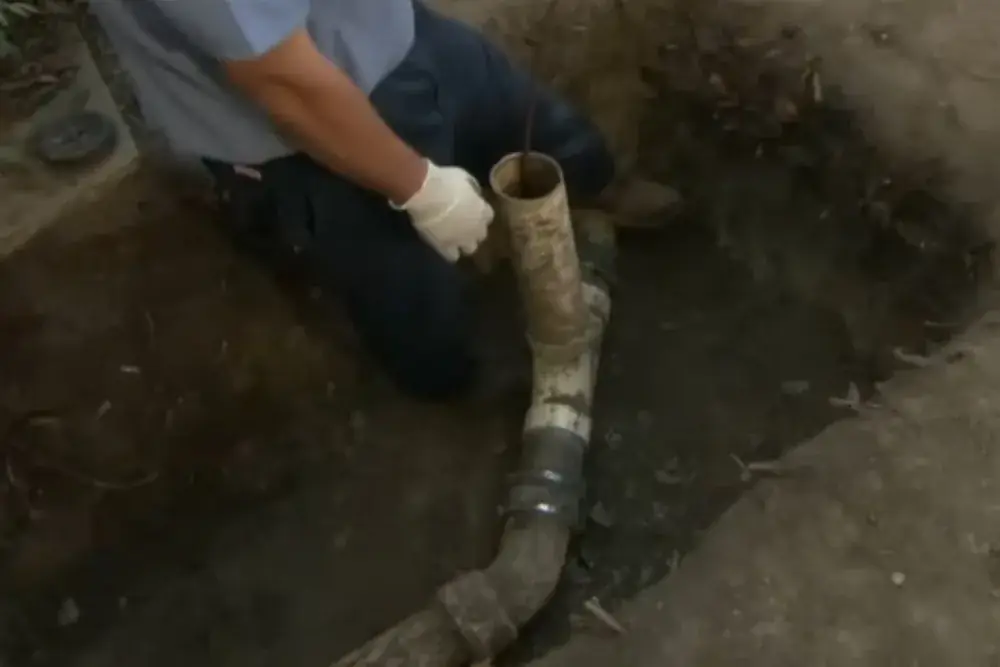
Nobody can quote pipe lining cost for a Sapulpa, OK home honestly without seeing inside the pipe first, and anyone who does is guessing. Pipe lining (also called cured-in-place pipe) slides a resin-soaked liner into a damaged sewer line and cures it into a new pipe inside the old one, with little or no digging. The price depends on a short list of things you can learn to read. This guide covers them, so two quotes can be compared fairly.
The six things that move a pipe lining quote
Think of the final number as the sum of these. Two bids that differ a lot usually differ on one or more of them.
Length and diameter of the run
Liner material is sold by the foot and by pipe size. A 4-inch line from a bathroom group to the cleanout is a smaller job than a 6-inch run from the house to the street. More footage also means longer cure time and more crew hours.
Pipe condition before lining
A line with one crack is a different job than a line with offset joints, heavy scale and root mass. The plumber has to clear the pipe fully before the liner goes in, and heavy cleaning is billed as its own labor. Bids that skip cleaning are bids that skip a step.
Access and the number of entry points
Lining needs a way in. An existing cleanout is the easy case. When there is none, the crew may need to pull a toilet, cut a new access, or dig a small pit. Every added access point adds time and, sometimes, a restoration cost.
Liner type and curing method
Liners differ in resin, fabric thickness and how they cure (hot water, steam or UV light). Thicker or specialty liners cost more. Ask for the material by name and ask for the manufacturer's data sheet, because "liner" alone says nothing.
Spot liner versus full length
A short patch liner covers one defect. A full-length liner covers the whole run. The patch is cheaper but leaves the rest of an aging pipe as it was.
Permits, inspection and restoration
Some jobs need a city permit and inspection, and some need yard or floor repair afterward. Those items are real costs, and a good bid lists them or states they are excluded.
Lining or digging: a decision framework
Lining is not always the right answer. Use the pipe's condition to decide, not the lowest line item.
| Pipe situation | Lining a good fit? | Notes |
|---|---|---|
| Cracks, small holes, root entry at joints | Often yes | The liner seals them from inside |
| Pipe is round and holds its shape | Often yes | The liner needs a stable host |
| Major sag holding water | Usually no | A liner follows the dip and keeps it |
| Collapsed or crushed section | Usually no | Excavation and replacement is the real fix |
| Pipe under a slab, tree or driveway | Often yes | Avoiding demolition is the main benefit |
| Offset joint, pipe pulled apart | Depends | Needs a camera and a plumber's judgment |
A related option is spot repair of a single failed section, which the sewer line repair page explains. Which one makes sense depends on what the camera shows.
Want your real number? Call the line and describe what you see.
A dispatcher is on the line 24/7. Nobody here will pressure you into a repair, and the price is agreed before work starts.
Why the camera comes first
A video inspection is the cheapest part of the decision and the most valuable. It shows pipe material, cracks, roots, sags and the exact distance to each problem. A proper sewer inspection should end with footage you can keep, plus a note of where each defect sits in feet from the cleanout.
If a company quotes lining without a camera, ask how they know the pipe will take a liner. They cannot. Ask for the footage with every bid, and ask the second company to look at the same footage so the scopes match.
How to compare two or three quotes
Put the bids next to each other and check the same boxes on each. Quotes that read as different prices may actually be different jobs.
- Is the footage and the pipe diameter written on the bid?
- Does it say how the line will be cleaned first?
- Is the liner named, with the cure method and a manufacturer data sheet?
- Is it a spot liner or full length, and from which point to which point?
- What access work is included, and what is excluded?
- Who pulls permits, and who restores the yard or floor?
- Is a final camera inspection included, and will you get a copy?
- What warranty is written down, and what does it exclude?
Be wary of a verbal price, a price that arrives before anyone looked inside the pipe, and a pitch that pushes you to sign today. Call for your real number rather than relying on an online average. Pipe lining prices swing widely between a short patch and a long run.
Sapulpa details to ask about
Plumbing permits in Sapulpa are separate from building permits, and the city's Building Inspections office (City Hall Annex, 424 E. Hobson Ave.) says plumbing permits are requested by contractors who are licensed by the State and registered with the City.
The city also says work done without required permits can be fined at least double the permit and inspection fees. So ask each bidder whether your job needs a permit, who applies for it, and where the cost shows up on the bid.
Verify the bidder's state license through the Oklahoma Construction Industries Board at oklahoma.gov/cib. The board says it does not issue plumbing permits itself, so the board is a license check and the city is the permit office.
The city pages do not say where the city's sewer responsibility ends and the homeowner's begins on the line to the main. Before you pay for lining, call City of Sapulpa Utility Billing or Public Works and ask whether the damaged stretch is private. If you live in Mounds, the town runs its own public works authority for sewer, so the questions go to Town Hall instead.
Homes in Glenpool answer to city of Glenpool contractor registration, which is a different process again.
Mistakes that raise the final bill
Most budget surprises come from skipped steps, not from the liner itself.
- Lining a pipe that still has a sag or a collapsed section, which fails and has to be redone.
- Skipping the pre-clean, so roots and scale remain behind the liner.
- Forgetting that reconnecting side lines (laterals) takes extra work after curing.
- Accepting a bid with no end date for the warranty or no inspection afterward.
- Choosing by lowest number alone when scope lines differ.
Sources and standards
Cured-in-place lining is described by ASTM F1216, and a quote should name the standard, the resin product and the manufacturer's published data, not just a price. Ask City of Sapulpa Building Inspections which edition applies and whether a permit is needed.
Frequently asked questions
Most of the day is cleaning, setup and cure time rather than the lining itself. The plumber can give a schedule once the footage and length are known.
Homeowner policies often exclude wear, age and root damage and may cover only sudden accidental damage. Read your policy or ask the insurer before work starts, and keep the camera footage.
Manufacturers rate liners for long service lives, but a rating is only as good as the install and the host pipe. Ask for the product data sheet and the written warranty terms.
The city says plumbing permits are separate from building permits and handled by licensed, registered contractors. Whether a specific lining job needs one is a question for City Building Inspections at 918-248-5910 before you sign.
No. We do not price or diagnose sewer work by phone because the price depends on what the camera shows.
When you want a clear price tied to actual footage, call the 24/7 line at (855) 575-2890 and a dispatcher will schedule a licensed plumber to look at the line.